Welcome to the FMCG Barometer

Welcome to the FMCG Barometer

The single location for what is happening in the FMCG market globally and the macro trends driving consumer trends.

Based on over 100 FMCG categories in major Barometer countries:

  • Value and volume trends since 2007.
  • The impact price is having on choice.
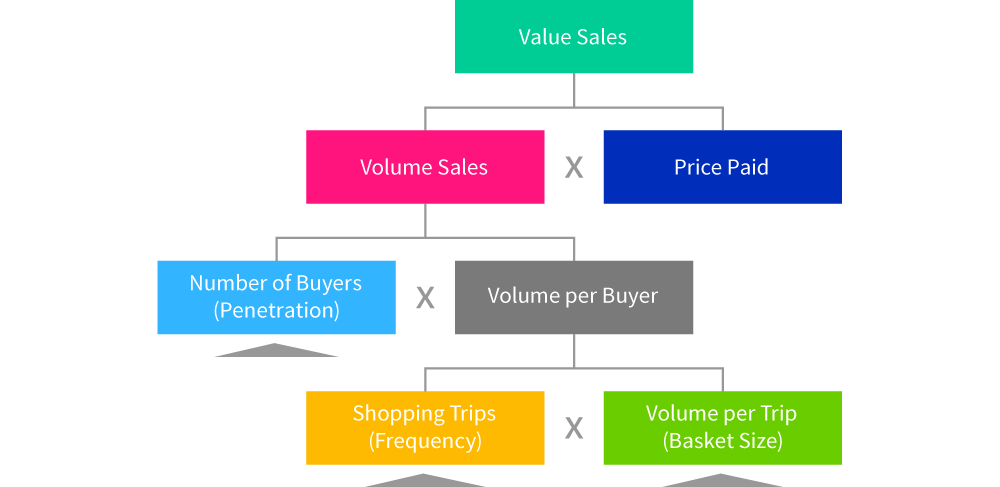
  • The effects of the number of buyers, shopping frequency and basket size.
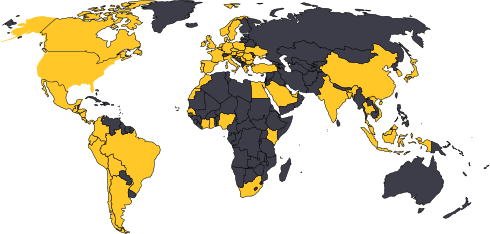
Global Regions Map

The Report Analyses

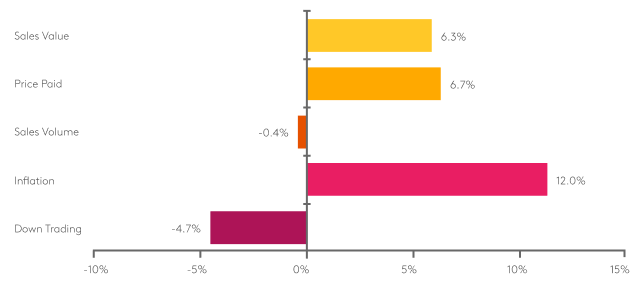
Value and volume

Value and volume trends since 2007

Price Impact

The impact price is having on consumer choice

Shopping Frequency

The effects of the number of buyers, shopping frequency and basket size

Global Coverage

Read over 100 FMCG categories in major markets across 42 countries

Country Coverage Framework

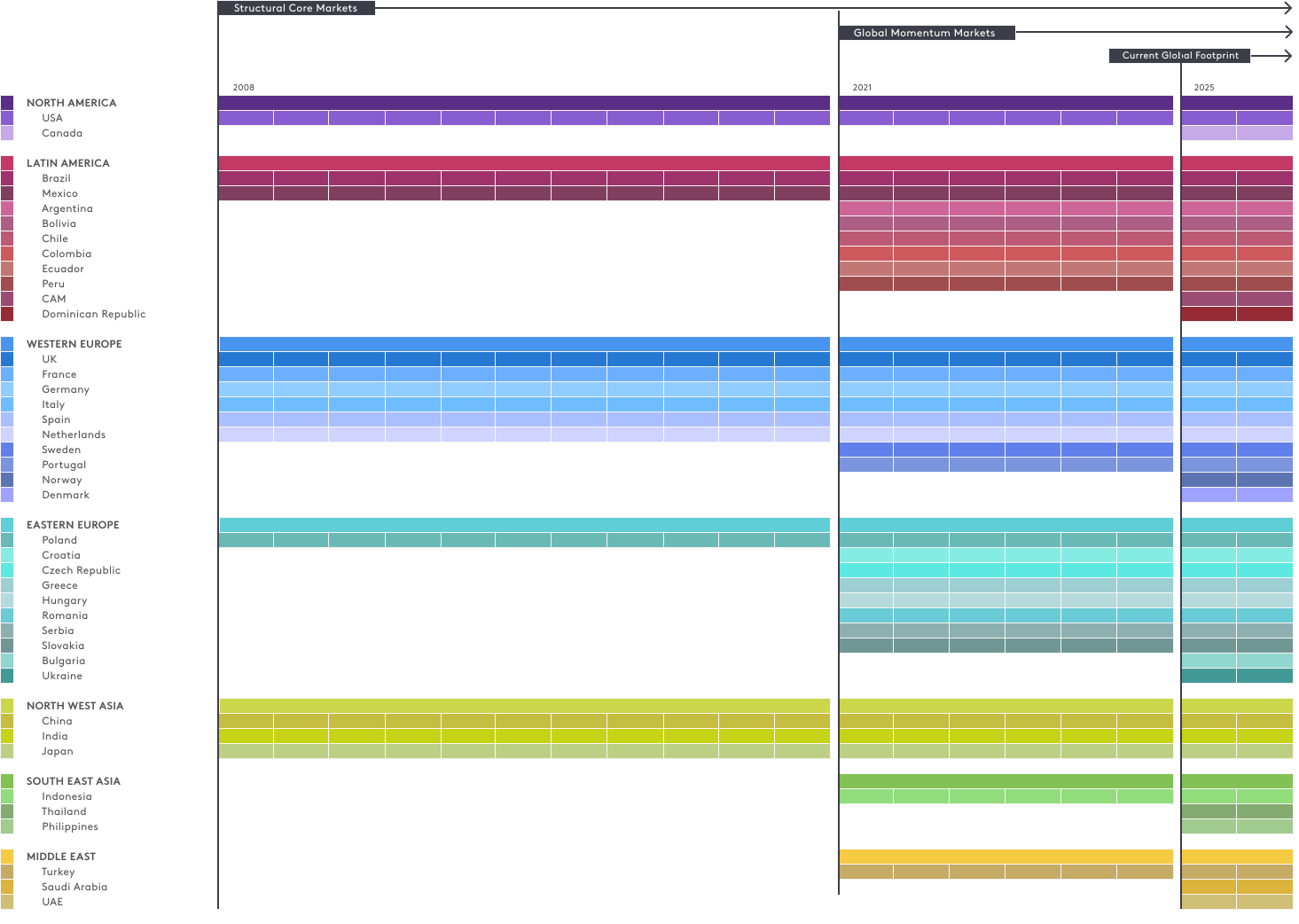
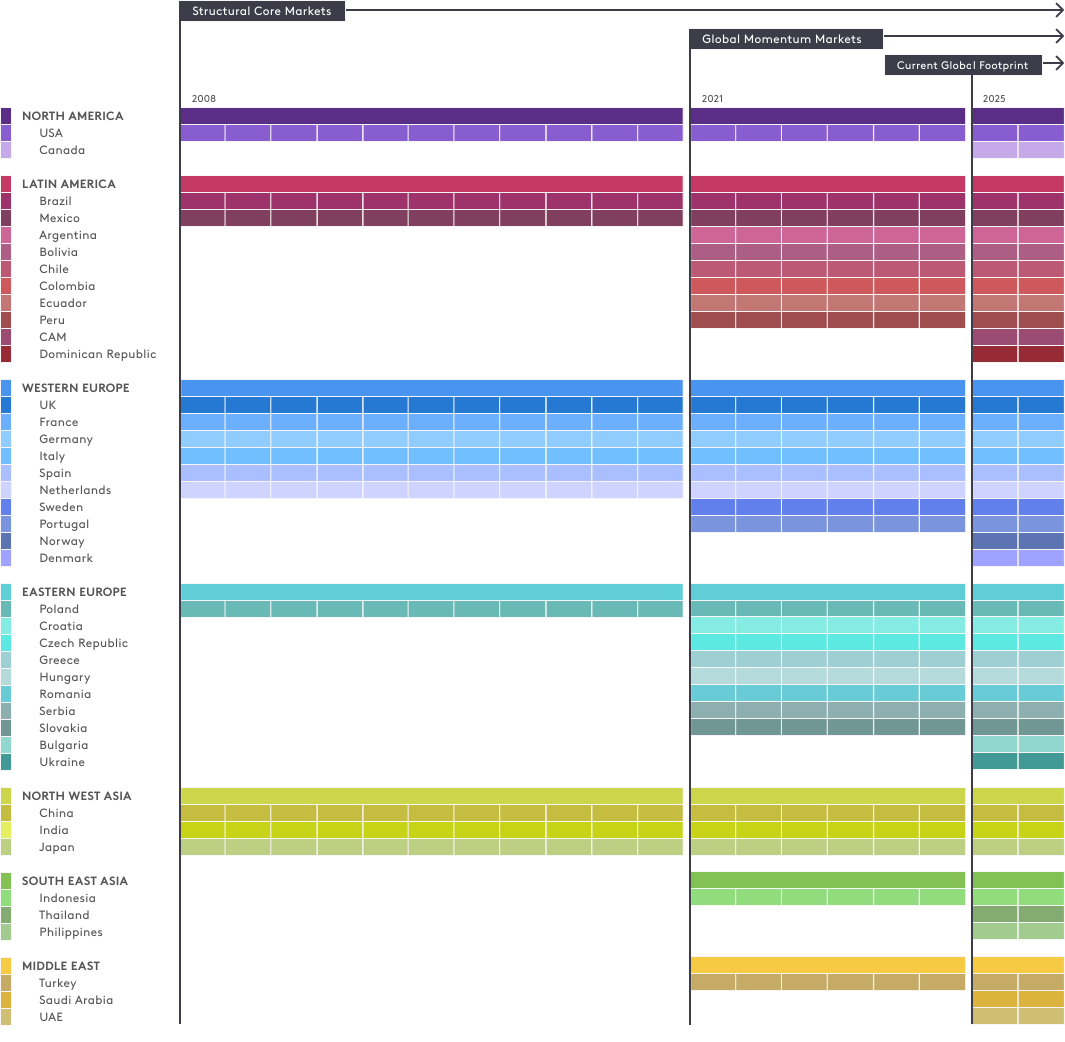
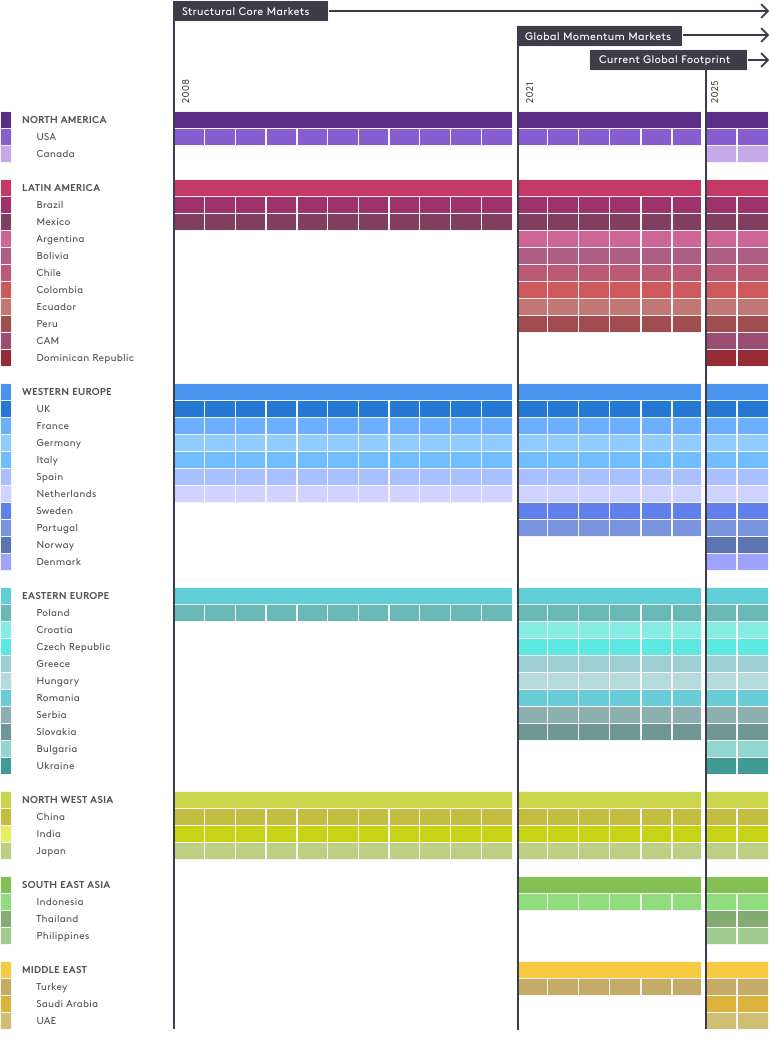
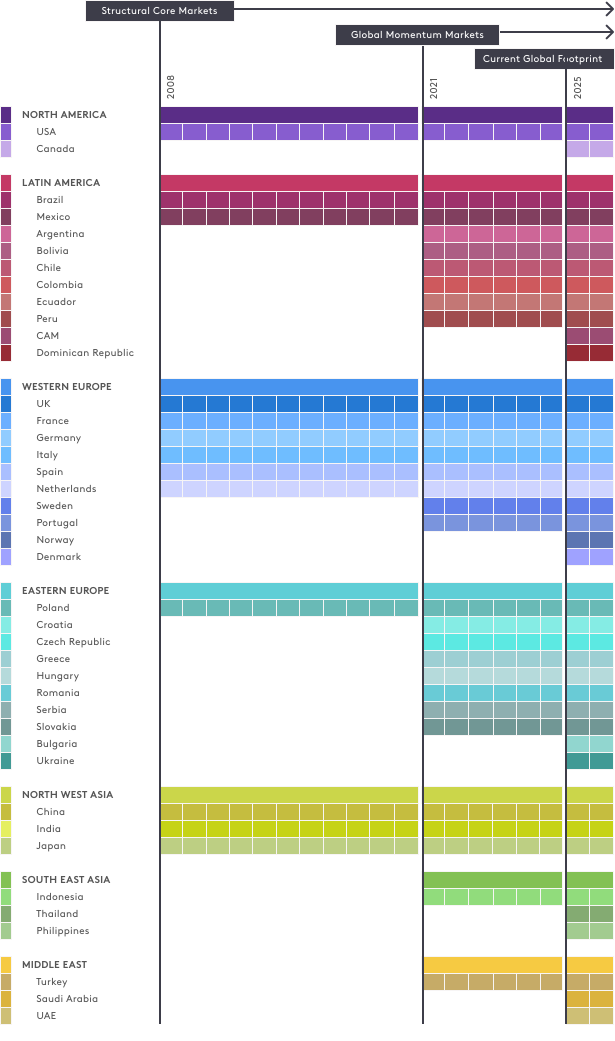
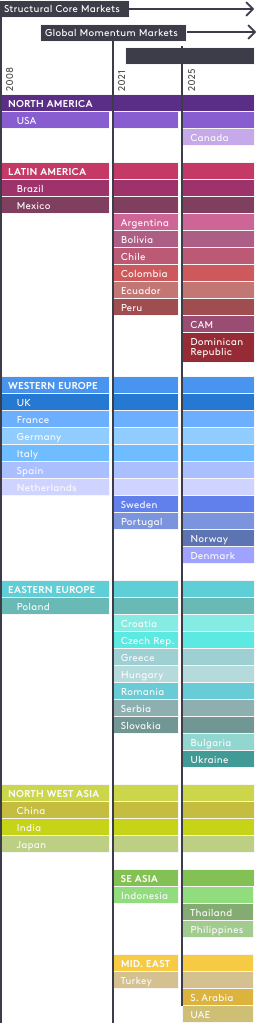
This report is built around three clearly defined country sets, each designed to balance historical continuity, global relevance and analytical credibility. The use of multiple country sets allows us to extend geographic coverage without compromising the integrity of long-term trends.
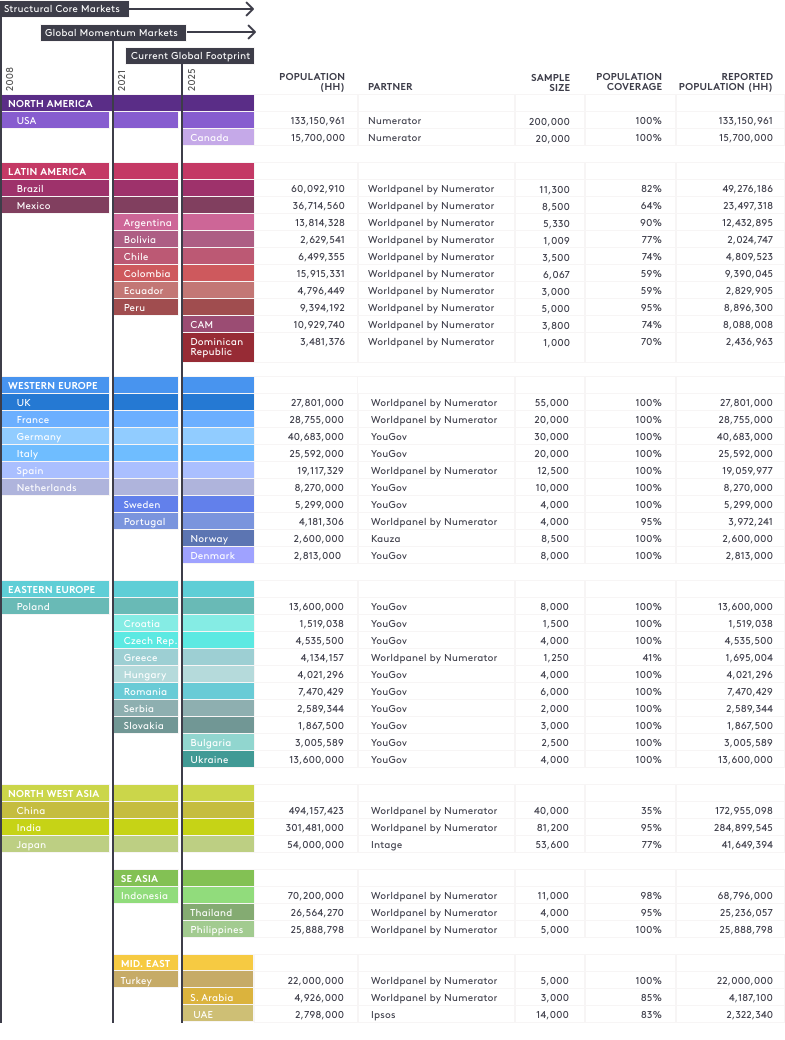
Structural Core Markets

  • Purpose
    Provide a stable, long-term benchmark for analysing structural changes in consumer behaviour and FMCG performance.
  • Why these markets
    1. Continuous, high-quality data availability since 2008
    2. Large share of global FMCG value and population
    3. Mature retail and consumer environments, allowing structural trends to be observed across multiple economic cycles (financial crisis, recovery, COVID, inflation)
  • What this set is best used for?
    1. Long-term trend analysis (2008–present)
    2. Structural shifts in value, volume, pricing and shopper behaviour
    3. Executive-level storytelling where historical continuity is essential

Key principle: This set is intentionally fixed over time to ensure that observed trends reflect real behavioural and market dynamics, not changes in country coverage.

Global Momentum Markets (36 countries | data from 2019)

  • Purpose
    Capture a broader and more representative picture of global FMCG dynamics, including faster-growing and structurally different markets.
  • Why these markets
    1. Significant expansion in geographic and demographic coverage versus the Core set
    2. Includes emerging and mid-sized markets that have become increasingly relevant to global growth
    3. Data availability is sufficiently consistent from 2019 onwards, enabling robust post-COVID analysis
  • What this set is best used for?
    1. Medium-term trends (2019–present)
    2. Comparing mature and emerging market dynamics
    3. Understanding global momentum, volatility and divergence in recent years

Key principle: Results from this set should be interpreted as a broader global view, not as a direct continuation of Core Market trends prior to 2019.

Current Global Footprint (42 countries | latest-year view)

  • Purpose
    Reflect the most complete and current global footprint of FMCG consumer behaviour available in the dataset.
  • Why these markets
    1. Maximises geographic reach across all major regions
    2. Includes the latest countries brought into the data infrastructure
    3. Designed to represent today's global FMCG landscape as fully as possible
  • What this set is best used for?
    1. Latest-year snapshots and comparisons
    2. Cross-regional benchmarking
    3. Understanding current global composition and exposure

Key principle: This set is intended for point-in-time insights, not for historical trend analysis.

How to interpret results across country sets

  • Each country set represents a different analytical universe and should be interpreted independently
  • Trends are always calculated using a fixed country set to avoid compositional distortions
  • Differences between sets reflect changes in coverage and market mix, not inconsistencies in methodology
  • Where comparisons across country sets are shown, these are explicitly labelled and designed to illustrate the impact of expanding geographic coverage, rather than changes over time.

How this framework is used in the report and online tool

  • PPT version: Each slide uses a single, clearly labelled country set
  • Online version: Users select a country set upfront, which then applies consistently across all views
  • Advanced users may access dedicated views that illustrate how results differ by country coverage

This structured approach ensures transparency, analytical rigor and confidence in the insights presented.

Structural Core Markets

  • Purpose
    Provide a stable, long-term benchmark for analysing structural changes in consumer behaviour and FMCG performance.
  • Why these markets
    1. Continuous, high-quality data availability since 2008
    2. Large share of global FMCG value and population
    3. Mature retail and consumer environments, allowing structural trends to be observed across multiple economic cycles (financial crisis, recovery, COVID, inflation)
  • What this set is best used for?
    1. Long-term trend analysis (2008–present)
    2. Structural shifts in value, volume, pricing and shopper behaviour
    3. Executive-level storytelling where historical continuity is essential

Key principle: This set is intentionally fixed over time to ensure that observed trends reflect real behavioural and market dynamics, not changes in country coverage.

Global Momentum Markets (36 countries | data from 2019)

  • Purpose
    Capture a broader and more representative picture of global FMCG dynamics, including faster-growing and structurally different markets.
  • Why these markets
    1. Significant expansion in geographic and demographic coverage versus the Core set
    2. Includes emerging and mid-sized markets that have become increasingly relevant to global growth
    3. Data availability is sufficiently consistent from 2019 onwards, enabling robust post-COVID analysis
  • What this set is best used for?
    1. Medium-term trends (2019–present)
    2. Comparing mature and emerging market dynamics
    3. Understanding global momentum, volatility and divergence in recent years

Key principle: Results from this set should be interpreted as a broader global view, not as a direct continuation of Core Market trends prior to 2019.

Current Global Footprint (42 countries | latest-year view)

  • Purpose
    Reflect the most complete and current global footprint of FMCG consumer behaviour available in the dataset.
  • Why these markets
    1. Maximises geographic reach across all major regions
    2. Includes the latest countries brought into the data infrastructure
    3. Designed to represent today's global FMCG landscape as fully as possible
  • What this set is best used for?
    1. Latest-year snapshots and comparisons
    2. Cross-regional benchmarking
    3. Understanding current global composition and exposure

Key principle: This set is intended for point-in-time insights, not for historical trend analysis.

How to interpret results across country sets

  • Each country set represents a different analytical universe and should be interpreted independently
  • Trends are always calculated using a fixed country set to avoid compositional distortions
  • Differences between sets reflect changes in coverage and market mix, not inconsistencies in methodology
  • Where comparisons across country sets are shown, these are explicitly labelled and designed to illustrate the impact of expanding geographic coverage, rather than changes over time.

How this framework is used in the report and online tool

  • PPT version: Each slide uses a single, clearly labelled country set
  • Online version: Users select a country set upfront, which then applies consistently across all views
  • Advanced users may access dedicated views that illustrate how results differ by country coverage

This structured approach ensures transparency, analytical rigour and confidence in the insights presented.

Explore our free reports

Consumer Inflation

Consumer Price Inflation

The impact of price on consumer choice

consumer-confidence

Consumer Confidence

Households' plans for major purchases and their economic situation

unemployment

Unemployment

The unemployment rates of the population

monthly-trends

Value and Volume Development

The changes in value and volume